英语教学设计方案?1.小学英语教学设计范文 教学目标: 1、能听、说、认读study,bathroom,bedroom,living room,kitchen等单词并能在日常生活中运用。 2、能听懂、会说:Welcome to my home!并能简单描述自己的房间。 3、能听懂Let’s do中的指示语,并按照指令做出相应的动作。 4、那么,英语教学设计方案?一起来了解一下吧。
【 #小学英语#导语】教学设计是根据课程标准的要求和教学对象的特点,将教学诸要素有序安排,确定合适的教学方案的设想和计划。一般包括教学目标、教学重难点、教学方法、教学步骤与时间分配等环节。以下是整理的《小学英语教学设计范文五篇》相关资料,希望帮助到您。
1.小学英语教学设计范文
教学目标:1、能听、说、认读study,bathroom,bedroom,living room,kitchen等单词并能在日常生活中运用。
2、能听懂、会说:Welcome to my home!并能简单描述自己的房间。
3、能听懂Let’s do中的指示语,并按照指令做出相应的动作。
4、学唱歌曲“My Bedroom”。
5、培养学生对家的热爱。鼓励学生大胆设想自己未来的家居。
教学重点、难点分析:
让学生在语言的学习中和活动中听、说、认读生词。
课前准备:
1、教师准备歌曲磁带和录音机。
2、教师准备study,bathroom,bedroom,living room,kitchen等单词的图卡。
3、教师准备好文具用品,如:铅笔、尺子、书、钢笔等食物。
4、学生准备好生词卡片。
教学步骤:
一、Warm up
(1)教师播放歌曲“Hide and Seek”。

【 #小学英语#导语】教学设计是根据课程标准的要求和教学对象的特点,将教学诸要素有序安排,确定合适的教学方案的设想和计划。一般包括教学目标、教学重难点、教学方法、教学步骤与时间分配等环节。以下是 无 整理的《小学四年级英语教学设计5篇》相关资料,希望帮助到您。
1.小学四年级英语教学设计
学情分析:
四年级(二) 班的学生对于英语的学习是比较感兴趣的,他们的基本功较好,因此对于新知的认识也掌握得较快较好。 这一模块学习的是与正在进行时态有关的内容,而对于正在进行时这一时态学生们在上一模块已经有所认识了。因此, 中上以上水平同学对正在进行时时态的基本用法有了一定的掌握,但中下水平的同学对于语言的表达和知识的运用会有不同程度的困难。而这一模块的重点是让学生们在35分钟内通过对知识的拓展操练和“精讲精练”来突破本节课所要达到的目标。所以为了避免课堂上的枯燥无味,就要想办法制造一些轻松的学习气氛,鼓励学生通过相互提问方式(你来做、我来答。大家做、我来答。我来做、大家答。)等等方式进行比较,提高学生的学习积极性是必要的。
教学目标:
1、知识目标(Knowledges aims)
(1)学习单词 : running jumping (
2)学习如何询问他人正在干什么及其应答。
人教版英语七年级下册 Unit 2 What time do you go to school(第1-5课时)教学设计一、教学目标
知识与技能:学生能够掌握询问和表达日常活动时间的句型,如“What time do you...?”和“I...at...”。同时,学会使用频度副词(always, usually, often, sometimes, never)来描述日常活动的频率。
过程与方法:通过听力、口语、阅读和写作等多种教学活动,提高学生的语言综合运用能力。
情感态度与价值观:培养学生对时间管理的意识,合理安排自己的日常生活。
二、教学内容词汇:时间表达(如:quarter, half, to, past等)、日常活动词汇(如:get up, eat breakfast, go to school, have lunch, go home, eat dinner, do homework, go to bed等)。
句型:What time do you...?I...at...。
【 #小学英语#导语】教学设计是根据课程标准的要求和教学对象的特点,将教学诸要素有序安排,确定合适的教学方案的设想和计划。一般包括教学目标、教学重难点、教学方法、教学步骤与时间分配等环节。以下是整理的相关资料,希望对您有用。
【篇一】
一、教学内容 1.单元复习。 2.学习辅音字母c、g及辅音字母组合ck,ch的发音。继续学习单词重音,并初步接触不发音的字母k、w等。 3.语法:小结人称代词的用法。 二、教具 录音机;音标卡片;上节课使用过的教具等。 三、课堂教学设计 1.复习。教师拿出小飞机模型(或小风筝等东西),与学生练习对话。对话模仿第71课课文内容。 T:Hi,…, could you help me, please? S:Certainly. Whats wrong? T:Its this plane (kite, etc). S:Whats wrong with it? T:I think its broken. Can you mend it? S:Let me see. Yes, I can. (Sorry, I cant.) 把飞机模型等交给学生,由学生之间进行对话。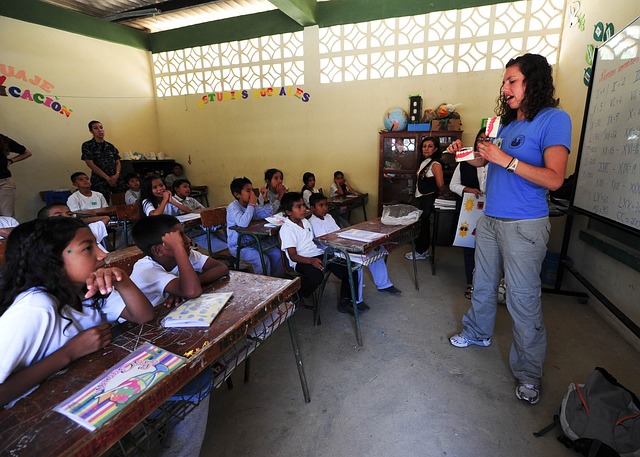
幼儿英语教学设计教案4篇
英语教学除了知识点的准备之外,认真考虑设计课堂活动也是很必要的。经历了一段时间英语教育,作为老师的你知道英语教案的写法?你是否在找正准备撰写“幼儿英语教学设计教案”,下面我收集了相关的素材,供大家写文参考!
幼儿英语教学设计教案篇1
Language Goal:
Talk about what people are doing.
Teaching Aims:
The present Progressive (结构式: Be + V-ing )
Key Points:
---What’s he doing ?
---He’s reading.
Difficult points:
现在进行时的用法和动词V-ing 形式的构成。
Teaching Methods:
由浅入深,设置场景、对话以及表演来教授新句型。
Teaching Aids:
教学图片、教学光盘、VCD机、录音机
Teaching Procedures:
Step1. Warming – up
A. Duty report
Teacher: How are you, boys and girls?
S s : Fine, thank you.
Teacher: OK, who’s on duty today?
(the student who is on duty starts to make a duty report)
B. Ask and answer
(The teacher asks some Ss to answer questions and writes down the verbs in the sentences on the blackboard.)
T: Usually, what time do you go to school?
S1: ……
T: When does your father watch TV in the evening?
S2: ……
T: Do you do your homework in the evening?
S3: ……
T: When do you play soccer?
S4: ……
T: what time do you usually eat dinner?
S5: ……
(The teacher should encourage the students after questions.)
The teacher ask the students to read these five verbs for several times.
Step 2. Presentation
A. Match the words and the activities.
Ask the students to turn to page 83, and look at the pictures in 1a.
Then,the teacher ask questions:
----What’s he doing? (Picture 1)
----He’s making a telephone call.
(Help the students answer the question with body language .)
Ask and answer just like that, and finish 1a.(Ss can guess the meaning of doing homework, watching TV, cleaning, eating dinner and reading.)
The Ss read these V-ing words after the teacher.
B. Play the video.
To make the Ss clear what they are learning in this class. Mr. Gong’s words do give the teacher a big hand.
(Write down the title of Unit 14 I’m watching TV on the blackboard and ask the Ss to read it.)
C. Teach the Present Progressive.
1. Introduction
Tell the Ss what the Present Progressive is. (现在进行时表示现在正在进行或发生的动作, 它的表现形式为Be Verbs + V-ing ---- 这也即为它的结构式.)
2. Tell the difference
Write down the V-ing forms by another lines of go, watch, do, play and eat on the blackboard. Ask the Ss to have a look and find the difference between them. For example: go and going, watch and watching, do and doing, etc. Then, ask the Ss to read them again.
3. Listen to the tape.
Let the Ss get ready to listen to the tape (paper and ball-point pen).
Check the answer: 2 4 1
4. Activities.
The teacher acts several actions and say :”What am I doing?”, help Ss answer: ”I’m opening the door.”
(The other actions: look at someone, clean the window)
Write down the three sentences on the blackboard, and ask the Ss to pay attention to the important words underlined:
n What am I doing?
n I’m opening the door.
n What am I doing?
n I’m looking at him.
n What am I doing?
n I’m cleaning the window.
5. Pairwork.
Ask and answer questions about what people are doing in the picture.
u What’s he doing?
u He’s reading.
The Ss can practice different sentences upon the verbs on the blackboard.
6. Guessing game.
The teacher prepare several pieces of paper and there are different actions on it. Ask a pair of Ss to act it out. (Each pair of Ss choose two pieces of paper and act.)
(The Ss must like to do it, so the teacher can ask many pairs to do this game and, the Ss can be familiar with the Present Progressive step by step. They can have fun in the classroom during this class, it’s the most important.)
7. Self-assessment.
The teacher prepare for the Ss some listening exercises, and play the cassette, let them finish these exercises at once. Then, check the answer. The Ss can understand whether they have learned about the Present Progressive.
8. Do the exercises.
The teacher have the Ss some exercises, and ask the Ss to do at once.
<1>--What’s Li Lei doing?
-- He_____________. ( read )
<2>--What’s his mother doing?
--She_____________. ( write )
<3>--What are they doing?
--They_____________. ( play soccer)
<4>--What are David and Mary doing?
--They_____________. (have dinner)
<5>--What’s Jenny doing?
--She______________. ( run )
(In fact, the Ss don’t have enough time to finish the exercises, so they can go on and finish these exercises after class.
Step 3. Homework
1. Finish the exercises in the class.
2. Make a conversation and act it out with your partner.
Step 4. The end
T: You are very good today, boys and girls! And thank you for listening. Bye.
幼儿英语教学设计教案篇2
教学目标:
知识目标:
1.bought, taught and thought
2.the story
3.a song
能力目标:1. past tense
2.where did you do?
3.What did you do?
情感目标:When you play things, you must get good corporation with your players.
教学重点、难点:1.I am throwing the basketball.
2.hitting and throwing
教具、学具:some balls and story a tape and pictures
教学过程:
一. Class opening and review
Review “ past tense” and “ future tense” verbs with a game. Write three columns of words on the blackboard and ask for volunteers to match them correctly. As each student makes a match, he or she says “Yesterday I___de. Today I___. Tomorrow I am going to__.
Introduce
Add “buy” “teach” and “think” to your “today” column. Ask the students to give you the future tense for each verb and write them under your “tomorrow” column. Then write “taught” “thought” “bought” in a different order than the other two columns, and ask the students to guess how they match with the present-tense verbs. Point out the similarities in spelling “bought” “taught” “thought”
Use the student book
Pause after Number 1 in the student book. Review the story so far. Today Jenny and Li Ming went to the store buy some clothes for Li Ming to the pictures in the student book. Who are they talking to?
Note the word “player” in the lesson. A “players” plays something, such as a sport.
Practice
Play “What’s wrong?” to practice the new past tense verbs, and other tenses and verbs.
Play “spelling Bee” to practice spelling any vocabulary in this unit.
Tech “Oh, what did you do?” in Number 3 of the student book.
Use the activity book
Number 2 in the activity book is a listening exercise. The students listen to each sentence on the audiotape and change it into the past—tense. Here’s how the audiotape goes:
板书:
Lesson4 Where did you go?
bought taught thought
Where did you do?
What did you do?
幼儿英语教学设计教案篇3
教学目标:
知识与技能目标:
1.学生能过灵活掌握有关做家务的动词短语并能应用到日常对话中。
以上就是英语教学设计方案的全部内容,【篇一】小学生英语教学设计 一、教材分析 本套教材编写的总思路是以话题为纲,以交际功能为主线,兼顾语言结构,逐步引导学生运用英语完成有实际目的的语言任务,即话题——功能——结构——任务。内容来源于互联网,信息真伪需自行辨别。如有侵权请联系删除。