英语词汇课教学设计?任务型教学 课前准备: 1. 前一节课已通过略读、跳读、细读等方式对课文A Trip On “The True North ” 有了整体感知,并能基本完成P35的Comprehending部分。 2. 教师事先根据高考词汇要求及词汇的使用频率对所学28个词汇进行分类分组,分为只读词汇,认知词汇和运用词汇。那么,英语词汇课教学设计?一起来了解一下吧。
小学英语课堂 教学设计 三篇 小学英语课堂教学设计一
教学重点:
Let’s learn部分的单词:flying, walking, running, jumping, swimming.
在情景中使用对话中的句子,并能恰当的替换句中的单词。
听、说、读、写单词:flying, walking, running, jumping, swimming。
教学难点:
walk, run, jump, swim的末尾字母与ing连读的发音。
running和swimming的单词拼写。
课前准备:
教学过程中所需的图片(let’s start)、录音(let’s learn, Let’s chant)、课件、动画素材。
本课时的五张单词图片和卡片。
教学过程:
Warm up ( 热身)
活动一:唱一唱
教学参考时间:2-3分钟
教师播放三年级上册第四单元A部分Let’s do的录音。
教师适时出示各种动物的词卡,学生边说边做相应的动作。
教师播放三年级上册第四单元B部分Let’s do 的录音,方法同上。
活动二:做一做
教学参考时间:2-3分钟
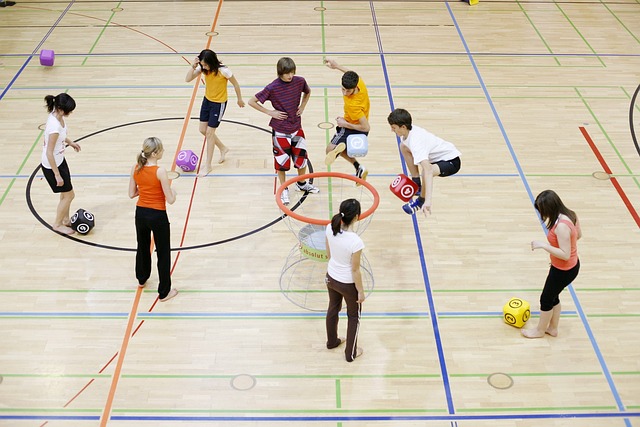
(1) 教师将jump, walk, fly三个词写在黑板上,然后手指相应的单词发指令,如:jump like a rabbit. Walk like an elephant. Fly like a bird.学生边跟读边做相应的动作。
高中英语词汇教学设计
在19至20世纪的,英国和美国在文化、经济、军事、政治和科学在世界上的领先地位使得英语成为一种国际语言。如今,许多国际场合都使用英语做为沟通媒介。下面是我为你带来的高中英语词汇教学设计 ,欢迎阅读。
教学内容:
Unit 5 Canada—“The True North”, Book3
课文 A Trip On “The True North ” 的词汇和短语(rather than, continent, baggage, chat, scenery, eastward, westward, upward, surround, the Rocky Mountains, harbour, measure, aboard, settle down, manage to do, catch sight of, eagle,Stampede, cowboy, have a gift for, within, border, slight, slightly, acre, urban, Thunder Bay, Lake Superior)
教学目标:
1.使学生能够正确地朗读并掌握所学词汇的中文意思;
2.通过创设语境与习题练习相结合的方法掌握重点单词的音、形、义、用;
3.对学生进行从语境中猜测词意这一词汇学习方法的初探;
4.教授构词法的基本知识,培养学生词汇生成能力,拓宽词汇量;
5.结合词汇教学和文章理解,使学生了解加拿大的基本情况。
【 #小学英语#导语】教学设计是根据课程标准的要求和教学对象的特点,将教学诸要素有序安排,确定合适的教学方案的设想和计划。一般包括教学目标、教学重难点、教学方法、教学步骤与时间分配等环节。以下是整理的《小学英语教学设计范文五篇》相关资料,希望帮助到您。
1.小学英语教学设计范文
教学目标:1、能听、说、认读study,bathroom,bedroom,living room,kitchen等单词并能在日常生活中运用。
2、能听懂、会说:Welcome to my home!并能简单描述自己的房间。
3、能听懂Let’s do中的指示语,并按照指令做出相应的动作。
4、学唱歌曲“My Bedroom”。
5、培养学生对家的热爱。鼓励学生大胆设想自己未来的家居。
教学重点、难点分析:
让学生在语言的学习中和活动中听、说、认读生词。
课前准备:
1、教师准备歌曲磁带和录音机。
2、教师准备study,bathroom,bedroom,living room,kitchen等单词的图卡。
3、教师准备好文具用品,如:铅笔、尺子、书、钢笔等食物。
4、学生准备好生词卡片。
教学步骤:
一、Warm up
(1)教师播放歌曲“Hide and Seek”。
《What does he look like?》教案(一)
教学目标
Key words: short, curly, long, tall, straight hair, a medium build, thin,heavy, bald;
brown, blonde;
glasses, hair, beard, mustache.
New language:
What do you look like? I’m short. And I have curly hair.
What do they look like? They’re medium height. And they have shorthair.
What does he look like? He’s heavy and he wears glasses.
What does she look like? She’s thin and she has long hair.
教学重难点
Importance: Describing people. Such as tall or short… and who has long hairand short hair…
Difficulties: use the sentences correctly to describe the physicalappearance.
III. Teaching Steps:
教学工具
课件
教学过程
Step 1 Greetings
Step 2 Ask some students to name some ways of describing people. Startstudents off with examples such as tall and short. Point out various students inthe class and ask students to say if they are tall or short.
Step 3 Some new words about this part
(1a) This activity introduces the key vocabulary. Ask students to read thelist of words. Point to the letters next to the people in the picture. Point outthe sample answer. At last, check the answers.
(1b) This activity provides guided listening and writing practice thetarget language.
Play the recording the first time, then , play it again, this time,students fill in the blanks in the speech bubbles.
Correct the answers.
Language points: 1.He’s the tall boy with the curly hair.
(1c)This activity provides guided oral practice using the target language.Ask the students to ask and answer the questions. Then have students work inpairs. As they talk, move around the room monitoring their work.
Language points:
2.What does your friend look like?你的朋友长得什么样?
look like “看起来像,看起来是……的样子”like 作介词,意为“像….”
eg. What’s he like?
Jack is very like his father.
look like 看起来像 The girl look like her mother.
look 看起来 后加形容词作表语 His sister looks happy.
look the same 看起来很像 The twins look the same.
(2a)This activity provides guided listening practice using the targetlanguage.
Point to the list of nice phrases and ask a students to read them to theclass. Play the recording twice. And complete the answers. Then correct theanswers.
(2b)Ask the students to listen to the descriptions and write the words inthe correct column after each person’s name.
(3)Writing practice: Have students do the activity individually. Offer helpas necessary.
(Grammar focus) Review the grammar box. Ask students to read the questionsand answers. Point out: ①does, goes-----you, they do, go--------he, she.
②I’m, they’re, he’s and she’s -----height
(3a)This activity provides reading practice using the target language. Havea student read the first description. Check the answers.
Language points:
3.She has a medium build, and she has long hair. 她体格中等,留着长发。

作为一无名无私奉献的教育工作者,通常需要用到教案来辅助教学,通过教案准备可以更好地根据具体情况对教学进程做适当的必要的调整。快来参考教案是怎么写的吧!下面是我为大家收集的七年级英语教案,仅供参考,欢迎大家阅读。
七年级英语教案 篇1
【学习目标】:
1、熟练掌握本课13个单词.
2、谈论对方喜欢或不喜欢的食物。
【学习重点】:
名词的复数形式。
【学习过程】:
一、自主学习(教师寄语:knowledge is power.)
学习任务一: 会读写本课13个单词.
1.个人自读,记忆本课单词.
2.小组互相检查单词读写情况.
3.根据汉语写出下列英语单词并展示
喜欢___________香蕉_____________汉堡包___________西红柿_________
花椰菜_________薯条_____________橙子_____________冰____________
奶油__________ 冰淇淋_________ 沙拉___________ 草莓_________梨__________
学习任务二: 谈论对方喜欢或不喜欢的食物。
以上就是英语词汇课教学设计的全部内容,小学英语课堂教学设计一 教学重点: Let’s learn部分的单词:flying, walking, running, jumping, swimming. 在情景中使用对话中的句子,并能恰当的替换句中的单词。 听、说、读、写单词:flying, walking, running, jumping, swimming。 教学难点: walk, run, jump, swim的末尾字母与ing连读的发音。内容来源于互联网,信息真伪需自行辨别。如有侵权请联系删除。