6年级英语下册课本?六年级下册英语书内容有如下:一、Unit1 Where did you go on vacation?二、Unit2 How often do you exercise?三、Unit3 I'm more outgoing than my sister.四、Unit4 What's the best movie theater?五、Unit5 Do you want to watch a game show?六、那么,6年级英语下册课本?一起来了解一下吧。
英语单词是学英语的基础,多记忆背诵才能学好英语。下面我为同学们带来六年级下册英语unit1单词表,希望对大家有所帮助!
六年级下册英语unit1单词表:
1younger/ˈjʌŋgə(r)/
(young的比较级)更年轻的
2older/'əʊldər/
(old的比较级)更年长的
3taller/tɔ:lə(r)/
(tall的比较级)更高的
4shorter/'ʃɔ:tə(r)/
(short的比较级)更矮的;更短的
5longer/ˈlɒŋgə(r)/
(long的比较级)更长的
6thinner/ˈθɪnə(r)/
(thin的比较级)更瘦的
7heavier/'hevɪə/
(heavy/ˈhevi/的比较级)更重的
8bigger/bɪgə/
(big的比较级)更大的
9smaller/s'mɔ:lər/
(small的比较级)更小的
10stronger/strɒŋgə(r)/
(strong的比较级)更强壮的
11dinosaur/ˈdaɪnəsɔ:(r)/
恐龙
12hall/hɔ:l/
大厅
13metre/'mi:tə(r)/
米(美式英语meter/'mi:tə(r)/)
14than/eən/
比
15both/bəʊθ/
两个都
16kilogram/ˈkɪləgræm/
千克;公斤
17countryside/ˈkʌntrisaɪd/
乡村
18lower/ˈləʊə(r)/
(low/ləʊ/的比较级)更低地
19shadow/ˈʃædəʊ/
阴影;影子
20smarter/'smɑ:tə(r)/
(smart/smɑ:t/的比较级)更聪明的
21become/bɪˈkʌm/
开始变得;变成
六年级下册英语unit1单词表相关文章:
1. 六年级英语下册课文Unit1
2. 人教版六年级下册英语unit1 C部分课文翻译
3. 六年级上册英语单词表
4. 小学六年级英语单词汇总
5. 六年级英语下册知识点
人教版六年级下册(三年级起点)英语课本p39页的答案如下:
1. 1) A 2) A 3) A 4) B 5) B 6) A 7) A 8) B 9) B 10) A
2. ⑤ ③ ④ ② ①
4. 1) √ 2) × 3) × 4) × 5) √
7. 1) A 2) B 3) A 4) A 5) A 6) B 7) B
8. 1) × 2) √ 3) √ 4) × 5) × 6) √
11. 1) favourite 2) leaf 3) straight 4) drink 5) foot 6) turn
12. c a b d e
13. 1) lights stop go wait 2) cleaner 3) Where 4) hospital 5) riding
15. 1) Tom is his new pen pal. 2) He comes from New York. 3) He goes to school by bus. 4) He likes playing football and watching TV. 5) No, he doesn't. 6) He is a teacher. 7) She works in a company. 8) She likes singing songs and playing the violin.
16. Japan lives has likes makes have family
Unit
1
Who
is
younger?
young
年轻的
than
(用于形容词、副词的比较级之后)比
old
年老的
tall
高的
heavy
重的
light
轻的
strong
强壮的
go
for
a
walk
去散步
met
(meet的过去式)遇见、会见、见面
sat
(sit的过去式)坐
twin
孪生的;双胞胎之一
look
the
same
看起来很像
minute
分钟
one
day
某一天
only
唯一的;仅有的
child
(复数children)孩子;儿童
cute
漂亮的;娇小可爱的
little
小的
centimetre
厘米
height
高;高度
weight
重量;质量
try
again
再试一次
worm
虫;蠕虫
Unit
2
More
exercise
be
good
at
善于
low
低;低的
slow
慢的;慢地
late
迟的;迟地
fish
鱼
do
well
in
(在某方面)做得好
problem
问题
have
problems
with
(在某方面)有问题
thing
事情
true
真实的;确实的
do
more
exercise
多做运动
jog
慢跑
far
远的;远地
farther
(far的比较级)更远
well
好
animal
show
动物演出
traffic
交通
well
done
[表示赞许]好!做得好!干得好!
Unit
3
Asking
the
way
get
到达
along
沿着
street
街,街道
turn
right
/
left
向右/左转
stop
(名词)停车站
post
office
邮政局
get
on
/
off
上车/下车
bookshop
书店
come
from
来自于
History
Museum
历史博物馆
way
路,路线
crossing
十字路口
miss
找不到,错过
kilometer
千米
away
离开
walk
(名词)路程
No.
[number的缩写,用于数字前]……号;编号
city
城市
told
(tell的过去式)告诉
shopping
centre
购物中心
middle
school
中学
train
station
火车站
road
路,道路
suddenly
突然
steal
偷盗(过去式stole)
ran
(run的过去式)跑
out
of
在……外
shout
呼喊;喊叫
thief
小偷,贼
Stop
thief!
抓贼
caught
(catch的过去式)捉,抓住
hotel
宾馆
Unit
5
The
seasons
weather
天气
What’s
the
weather
like
there?
那儿天气怎么样?
summer
夏季
hot
热的
autumn
秋季
spring
春季
winter
冬季
cold
冷的
season
季;季节
best
最好的(good
well的最高级)
cool
凉的;凉快的
sunny
晴朗的
windy
有风的;多风的
countryside
农村地区
rain
雨;下雨
rainy
下雨的;多雨的
warm
温暖的
snowman
(雪堆成的)雪人
snowball
雪球
snowball
fights
打雪仗
snowy
下雪的;多雪的
cloudy
多云的;阴天的
foggy
有雾的;多雾的
because
因为
turn
变得
fish
钓鱼
hexagon
六边形
Unit
6
Planning
for
the
weekend
plan
计划;打算
picnic
野餐
play
(戏剧的)演出
take
part
(
in
)
参加(……);参与(……)
have
school
上课;有课
still
仍然
Beijing
opera
京剧
show
演出;(广播或电视)节目
I’d
love
to…
我很愿意……
theatre
戏院;剧场
by
the
way
顺便地;附带说说
concert
音乐会
of
course
当然
outing
短途旅游;远足
contest
竞赛;比赛
sports
meeting
运动会
zebra
斑马
Africa
非洲
Unit
7
A
letter
to
a
penfriend
letter
信
penfriend
(不见面的)通信朋友;笔友
write
a
letter
写信
glue
胶水;胶粘物
writing
paper
书写纸;信纸;便条纸
envelope
信封
What
for?
为何目的;为什么?
both
(两个)都
I
hope
so.
我希望这样。
PEP六年级下册四会单词词汇表
Unit 1
tall—taller更高的 short—shorter 更矮的 strong—stronger 更强壮的 old—older 年龄更大的 young—younger 更年轻的 big—bigger 更大的heavy—heavier 更重的 long—longer 更长的 thin—thinner 更瘦的 small—smaller (体型)更小的
Unit 2
have a fever 发烧 have a sore throat喉咙疼 have a cold感冒 have a toothache 牙疼 have a headache 头疼 matter事情,麻烦 sore 疼的 hurt疼痛 nose 鼻子 tired疲劳的,累的 excited兴奋的 angry生气的 happy高兴的 bored无聊的,烦人的 sad 忧伤的,悲伤的
Unit 3
watch—watched 看 wash—washed 洗 clean—cleaned打扫 play—played玩 visit—visited 看望 do—did last weekend 上一个周末 go—went去 go to a park—went to a park 去公园 go swimming—went swimming去游泳 go fishing—went fishing去钓鱼 read—read 读 go hiking—went hiking 去郊游
Unit 4
leran Chinese—learned Chinese学汉语 sing and dance—sang and danced 唱歌和跳舞 eat good food—ate good food吃好吃的食物 take pictures—took pictures 照相 climb—climbed 爬 have—had buy presents—bought presents买礼物 row a boat—rowed a boat 划船 see elephant—saw elephant 看大象 go skiing—went skiing 去滑雪 go ice-skating—went ice-skating 去滑冰 how怎么,如何 get—got 到达 last 上一个的,仅余的,留在最后的
参考资料:http://220.202.29.65/ReadNews.asp?NewsID=2077
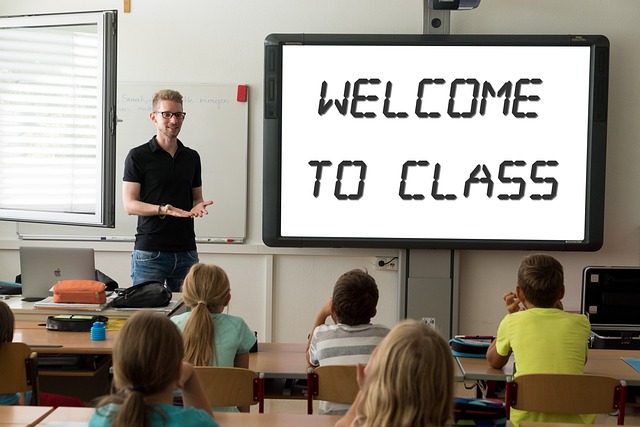
《Last Weekend》教案(一)
教学目标
1. 能够理解对话大意,并回答对话下问题。能按照正确的语音、语调及意群朗读对话,并能进行角色表演。
2. 能够听、说、读、写,并在情景中运用句型 How was your weekend? It was good. Did you doanything else? 提问并回答有关周末活动的安排。
3. 能够在语境中理解生词drank的意思,并能正确发音。
教学重难点
1. 重点:运用句型 How was your weekend? It was good. Did you do anything else?提问并回答有关周末活动的安排。
2. 难点:一般过去时动词词尾的规则变化。
教学过程
一、课前展示
1. 师生相互问候。
2.教师利用头脑风暴活动激发学生的背景知识,复习相关的动词及动词词组。教师请学生说出周末一般做什么,复习有关周末活动的词汇。如果学生不能够说出很多单词或词组,教师可在课件上出示词组,引导学生描述自己周末一般做什么。
二、情境导入
1. 呈现重点句型
(1)教师展示日历,请学生回忆上周末做了什么。教师引导学生说出上周末的活动安排,并用一般过去时的句子转述,请学生感受使用一般过去时的语境。

以上就是6年级英语下册课本的全部内容,我这有这个资源 可以看下 6年级下册英语人教精通版https://pan.baidu.com/s/1E1tGFx6Tugb2V-xACNDbqQ?pwd=1234 提取码:1234 课本教材能够帮助同学们随时随地夯实小学英语基础,不断熟悉小学英语课本,内容来源于互联网,信息真伪需自行辨别。如有侵权请联系删除。