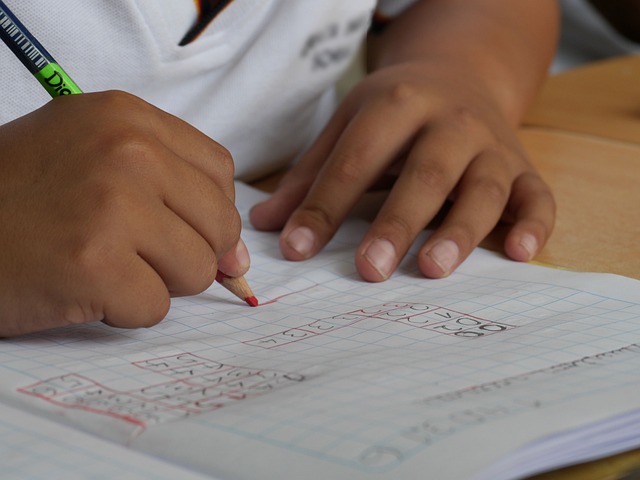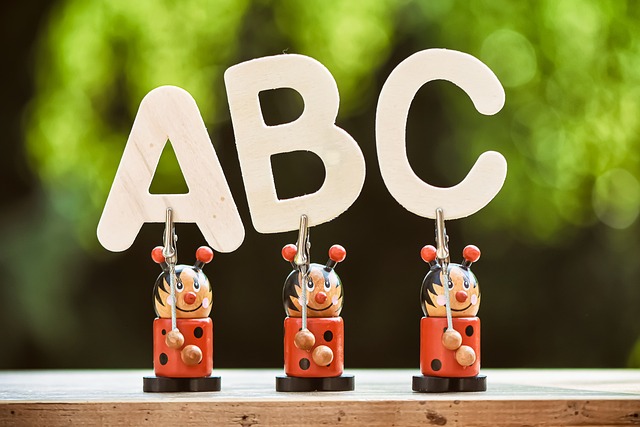
楷体英文怎么写?小写楷体字母o:o不管是大写还是小写,都是一样的笔顺。都是一画。起笔在上面,然后按逆时针方向开始写。也就是先写上边,再写左边,再写下边,最后右边,封口。大写O在四线三格里占第一格和第二格。小写o在四线三格里只占第二格,我就是中间那一格。不管是英语还是汉语中都一样。那么,楷体英文怎么写?一起来了解一下吧。
结论:宋体字在电脑中的英文标识是SimSun,这是Windows系统中常用的中文字体之一。以下是一份详细的中英文对照表,以帮助您更好地理解其他常见中文字体的英文名称:
新细明体(PMingLiU)对应英文:细明体(MingLiU)、标楷体(DFKai-SB)、黑体(SimHei)和宋体(SimSun)。
新宋体(NSimSun)以及仿宋(FangSong)对应楷体(KaiTi),仿宋_GB2312(FangSong_GB2312)。
楷体_GB2312(KaiTi_GB2312)与微软正黑体(Microsoft JhengHei)、微软雅黑体(Microsoft YaHei)相关。
隶书(LiSu)和幼圆(YouYuan)对应华文细黑(STXihei)、华文楷体(STKaiti)和华文宋体(STSong)。
华文中宋(STZhongsong)、华文仿宋(STFangSong)与方正舒体(FZShuTi)和方正姚体(FZYaoti)相连。
华文彩云(STCaiyun)、华文琥珀(STHupo)、华文隶书(STLiti)和华文行楷(STXingkai)也各具特色。
最后,华文新魏(STXinwei)是另一款特色字体。
字母o的写法有两种,分别是:大写的O和小写的o,“0”在书写时一般会写成一个竖直的椭圆形,在数学中,椭圆是围绕两个焦点的平面中的曲线,使得对于曲线上的每个点,到两个焦点的距离之和是恒定的,而且为了增加辩认度,在书写0的时候都会写成椭圆形。
从人类文明开始到目前,由于地区文明的差异。以及学科之间的不同,O这个字符代表了各种各样的含义,有拉丁字母O,英文字母O,有函数级数O,化学符号O,血型O,音标O,字符编码O,数字0,元素符号O以及汇编语言O。

Chinese calligraphy----Regular script
Regularscript (simplified Chinese: 楷书; traditional Chinese: 楷书; pinyin: kǎishū; Hepburn: kaisho), also called 正楷 (pinyin: zhèngkǎi), 真书 (zhēnshū), 楷体 (kǎitǐ) and 正书 (zhèngshū), is the newest of the Chinese script styles(appearingby the Cao Wei dynasty ca. 200 CE and maturing stylistically around the 7thcentury), hence most common in modern writings and publications (after the Mingand sans-serifstyles, used exclusively in print).
Fig 1. Regular script
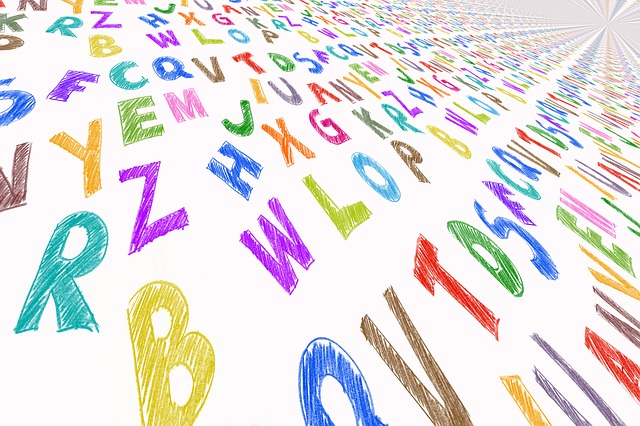
Fig 2. Chinese characters
History
Regular script came into being between theEastern HànandCáo Wèidynasties,and its first known master wasZhōng Yáo(sometimesalso read Zhōng Yóu; 锺繇),who lived in the E. Hàn to Cáo Wèi period, ca.151–230 CE. He is known as the “father of regular script”, and his famous worksinclude the Xuānshì Biǎo (宣示表), Jiànjìzhí Biǎo (荐季直表), and Lìmìng Biǎo (力命表).Qiu Xigui[1]describesthe script in Zhong’s Xuānshì Biǎo as:
…clearly emerging from the womb of early periodsemi-cursive script. If one were to write the tidily written variety of earlyperiod semi-cursive script in a more dignified fashion and were to useconsistently the pause technique (dùn 顿, used to reinforce the beginning or ending of a stroke)when ending horizontal strokes, a practice which already appears in early periodsemi-cursive script, and further were to make use of right-falling strokes withthick feet, the result would be a style of calligraphy like that in the"Xuān shì biǎo".
Fig 3. Chinese characters of "Regular Script"intraditional characters. Sheng Jiao XubyChu Suiliang: calligraphy of the Kaishu style. (其数然而天地苞/乎阴阳而易识者/以其有象也阴阳/处乎天地而难穷)
However, other than a few literati, very few wrote inthis script at the time; most continued writing in neo-clerical script, or ahybrid form of semi-cursive and neo-clerical.Regular script did notbecome dominant until the earlySouthern and Northern Dynasties, in the5th century; this was a variety of regular script which emerged fromneo-clerical as well as from Zhong Yao's regular script,and is called"Weiregular"(魏楷 Weikai).Thus, regular script has parentage in early semi-cursive as well asneo-clerical scripts.
The script is considered to have matured stylisticallyduring theTang Dynasty, with the most famous andoft-imitated regular script calligraphers of that period being:
· The early Tang fourgreat calligraphers (初唐四大家):
· Ouyang Xun(欧阳询)
· Yu Shinan(虞世南)
· Chu Suiliang(褚遂良)
· Xue Ji(薛稷)
· "Yan-Liu"("颜柳")
· Yan Zhenqing(颜真卿)
· Liu Gongquan(柳公权)
Characteristics
Regular script characters with width (or length) largerthan 5 cm (2 in) is usually considered larger regular script, or dakai (大楷), and those smaller than 2 cm (0.8 in) usually smallregular script, or xiaokai (小楷). Those in between are usually called medium regularscript, or zhongkai (中楷). What these are relative to other characters. TheEight Principles of Yongare said tocontain a variety of most of the strokes found in regular script.
Notable writings in regular script include:
· The Records of YaoBoduo Sculpturing(姚伯多造像记)during theSouthern and Northern Dynasties
· The Tablet of GuangwuGeneral (广武将军碑) during theSouthern and Northern Dynasties
· The Tablet of LongzangTemple (龙藏寺碑) of theSui Dynasty
· Tombstone-Record ofSui Xiaoci(蘇孝慈墓志) of the Sui Dynasty
· Tombstone-Record ofBeauty Tong(董美人墓志) of the Sui Dynasty
· Sweet Spring atJiucheng Palace (九成宫醴泉铭) of theTang Dynasty
Derivatives
· Imitation Song typefaces(Chinese:仿宋体;pinyin:fǎngSòngtǐ) are typefaces based on a printed style which developed in theSong dynasty,from whichMingtypefaces developed.
· The most commonprinted typeface stylesMingandsans-serifare based on the structureof regular script.
· The Japanese textbooktypefaces (教科书体;Hepburn:kyōkashotai) are based on regularscript, but modified so that they appear to be written with apencilorpen. They also follow thestandardized character forms prescribed in theJōyō kanji.
· Zhuyin Fuhaocharacters,although not true Chinese characters, are virtually always written with regularscript strokes.
·
一、宋体字在电脑中的英文标识是:SimSun
二、 资料拓展:.
Windows中常见的中文字体的中英对照:
1. 新细明体:PMingLiU细明体:MingLiU标楷体:DFKai-SB黑体:SimHei宋体:SimSun
2. 新宋体:NSimSun仿宋:FangSong楷体:KaiTi仿宋_GB2312:FangSong_GB2312
3. 楷体_GB2312:KaiTi_GB2312微软正黑体:Microsoft JhengHei微软雅黑体:Microsoft YaHei
4. 隶书:LiSu幼圆:YouYuan华文细黑:STXihei华文楷体:STKaiti华文宋体:STSong
5. 华文中宋:STZhongsong华文仿宋:STFangsong方正舒体:FZShuTi方正姚体:FZYaoti
6. 华文彩云:STCaiyun华文琥珀:STHupo华文隶书:STLiti华文行楷:STXingkai
7. 华文新魏:STXinwei
汉字书法中的楷体、黑体、行楷、草书在英文中的对应字体如下:
楷体:在英文中,楷体可以对应到一些规范化的script字体,尤其是罗马手写体的规范化版本。这些字体虽然无法完全复制汉字楷书的所有特点,但能够捕捉到楷书线条的流畅和清晰度。
黑体:英文中的Helvetica字体与汉字的黑体有相似之处。它们都采用了无装饰线条和简洁的无衬线设计,展现出一种刚毅与现代感。
行楷:行楷作为楷书与行书的结合体,在英文中并没有一个完全对应的字体。但可以从一些具有流畅线条和一定规范性的script字体中寻找到类似的韵味,尽管这种对应并不完美。
草书:草书的轻盈与飞扬在英文字体中较难找到完全对应的风格。尽管script字体类别丰富,但真正能够体现草书精髓的字体并不多。不过,仍有一些尝试在某种程度上捕捉到了草书的随性之美,尽管这些字体可能并不常见。
需要注意的是,汉字书法与西方字体的对应并非严格的一对一映射,而是文化和美学的交融。每种字体都有其独特的韵味和背景,这种对比有助于我们更深入地理解文字艺术的美。
以上就是楷体英文怎么写的全部内容,楷体:在英文中,楷体可以对应到一些规范化的script字体,尤其是罗马手写体的规范化版本。这些字体虽然无法完全复制汉字楷书的所有特点,但能够捕捉到楷书线条的流畅和清晰度。黑体:英文中的Helvetica字体与汉字的黑体有相似之处。它们都采用了无装饰线条和简洁的无衬线设计,展现出一种刚毅与现代感。内容来源于互联网,信息真伪需自行辨别。如有侵权请联系删除。